La pleine conscience
Finding Calm Amidst the Chaos: The Power of Mindfulness for FND
Living with Functional Neurological Disorder (FND) can often feel like being caught in a storm. Symptoms can be unpredictable, frustrating, and at times, terrifying. The emotional toll can be immense, leading to anxiety, stress, and a constant battle against the “what ifs.” In this turbulent environment, mindfulness emerges as a beacon of calm, offering a way to navigate the challenges of FND with greater awareness, acceptance, and resilience.
Mindfulness isn’t about clearing your mind or achieving a state of blissful emptiness. It’s about paying attention to the present moment, on purpose, and without judgment. It’s about noticing your thoughts, feelings, and bodily sensations as they arise, acknowledging them, and choosing how to respond, rather than being swept away by them.
Why is mindfulness particularly beneficial for FND?
FND is fundamentally a disorder of brain-body communication. While physical therapies address the motor aspects, mindfulness can help retrain the neurological pathways involved in attention, emotional regulation, and stress response – all of which are often impacted in FND. Here’s how:
- Calming an Overactive Nervous System: FND can often put the nervous system into a state of “fight, flight, or freeze.” Mindfulness practices, particularly those focused on breath awareness, can activate the parasympathetic nervous system – your body’s “rest and digest” mode. This can help to lower stress hormones, reduce muscle tension, and bring a sense of physiological calm.
- Enhancing Emotional Regulation: Living with unpredictable symptoms can lead to a rollercoaster of emotions: fear, frustration, sadness, and anger. Mindfulness teaches you to observe these emotions without being consumed by them. By creating a space between the emotion and your reaction, you gain a greater capacity to choose how you respond, fostering more stable moods and greater resilience.
- Reducing Symptom Reactivity: While mindfulness doesn’t “cure” FND symptoms, it can change your relationship with them. Instead of instinctively reacting with panic or fear to a tremor or a functional seizure, mindfulness allows you to notice the sensation, acknowledge it, and then bring your attention back to the present moment. This can lessen the intensity of the experience and prevent symptom escalation driven by anxiety.
- Improving Body Awareness and Interoception: FND can sometimes distort body awareness. Mindfulness practices like body scans encourage you to gently bring attention to different parts of your body, noticing sensations without judgment. This can help to re-establish a more accurate and compassionate connection with your physical self, which is crucial for retraining neurological pathways.
- Combating Fatigue and Brain Fog: While it might seem counterintuitive, regular mindfulness practice can help manage FND-related fatigue and improve cognitive function. By training your attention, mindfulness can help you sustain focus, reduce mental clutter, and even improve subjective cognitive clarity. This isn’t about pushing through exhaustion, but about subtly enhancing your brain’s efficiency.
- Cultivating Self-Compassion: The FND journey can be filled with self-criticism and judgment. Mindfulness encourages self-compassion – treating yourself with the same kindness and understanding you would offer a friend. This gentle approach is vital for mental well-being and can help you accept your condition and yourself with greater ease.
- Grounding in Challenging Moments: When symptoms flare or anxiety peaks, grounding techniques (often a core part of mindfulness) can be incredibly helpful. Focusing on your five senses – what you can see, hear, smell, taste, and touch – can quickly bring you back to the present moment, interrupting the cycle of worry and symptom focus.
Getting Started with Mindfulness for FND:
You don’t need hours of meditation or a silent retreat to practice mindfulness. Small, consistent efforts can make a big difference:
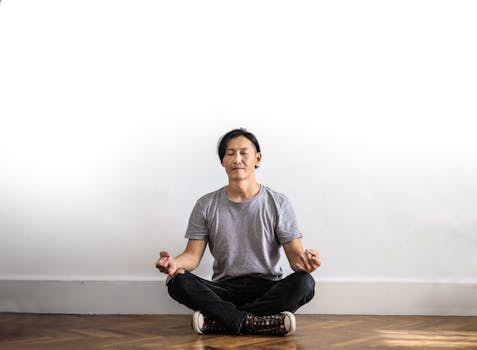
- Mindful Breathing: Simply pay attention to your breath for a few minutes. Notice the sensation of the air entering and leaving your body. When your mind wanders (and it will!), gently bring it back to your breath.
- Body Scan: Lie down comfortably and systematically bring your attention to different parts of your body, noticing any sensations without judgment.
- Mindful Everyday Activities: Bring present-moment awareness to simple tasks like eating, walking, or showering. Notice the textures, smells, sounds, and sensations.
- Guided Meditations: There are many free apps and online resources offering guided mindfulness meditations specifically for chronic illness or stress.
- Seek FND-Aware Professionals: If possible, consider working with a therapist or coach who understands FND and can guide you in mindfulness-based approaches.
Mindfulness is not a quick fix, nor is it a replacement for medical treatment. However, it is a powerful, accessible, and self-empowering tool that can significantly enhance your quality of life with FND. By learning to cultivate present-moment awareness and self-compassion, you can find pockets of calm and resilience, even when the FND storm rages. Give it a try – your mind and body will thank you.
L'utilisation de la pleine conscience comme technique dans les troubles neurologiques fonctionnels (TNF)
La prise en charge des troubles neurologiques fonctionnels (TNF) peut s'avérer difficile, mais la pleine conscience est une approche thérapeutique de plus en plus reconnue qui offre des avantages prometteurs.
Qu'est-ce que la pleine conscience ?
La pleine conscience est la pratique qui consiste à se concentrer pleinement sur le moment présent avec une attitude ouverte et sans jugement. Elle consiste à observer ses pensées, ses émotions, ses sensations corporelles et son environnement sans essayer de les modifier ou d'y échapper. Cette conscience accrue permet aux individus de répondre aux défis avec plus de calme et de clarté.
Pourquoi la pleine conscience est-elle utile en cas de TNF ?
Les personnes atteintes de TNF sont souvent confrontées à une augmentation de l'anxiété, du stress et des défis émotionnels, ce qui peut aggraver leurs symptômes. La pratique de la pleine conscience peut les aider :
- Réduire le stress: Les techniques de pleine conscience diminuent les niveaux d'hormones de stress et encouragent la relaxation, ce qui peut réduire l'intensité des symptômes.
- Améliorer la prise de conscience des symptômes :La pratique de la pleine conscience permet aux individus de reconnaître les premiers symptômes et les éléments déclencheurs, ce qui facilite la mise en place de stratégies d'adaptation rapides et efficaces.
- Améliorer la connaissance des symptômes:La pleine conscience favorise l'équilibre émotionnel et contribue à réduire l'influence des émotions négatives sur les symptômes physiques.
- Rompre le cycle des symptômes: En observant attentivement les symptômes sans porter de jugement, les patients peuvent atténuer la peur et la concentration qui sont souvent à l'origine des symptômes de TNF.
Techniques de pleine conscience pour la TNF
Voici plusieurs techniques de pleine conscience que vous pouvez facilement intégrer à votre routine quotidienne :
1. La respiration en pleine conscience
Portez votre attention sur le souffle qui entre et sort. Sentez l'air pénétrer dans vos narines, remplir vos poumons, puis s'écouler hors de votre corps. Chaque fois que votre esprit dérive, ramenez-le calmement à la respiration.
2. Balayage du corps
Concentrez systématiquement votre attention sur différentes parties de votre corps, en observant les sensations sans essayer de les modifier. Cette pratique favorise une connexion plus profonde avec les sensations corporelles et aide à soulager les tensions.
3. Exercices de mise à la terre
Faites appel à vos sens pour vous ancrer dans le moment présent. Identifiez cinq choses que vous pouvez voir, quatre choses que vous pouvez sentir, trois choses que vous pouvez entendre, deux choses que vous pouvez sentir et une chose que vous pouvez goûter.
4. Mouvement en pleine conscience
Participez à des activités douces comme le yoga, le tai-chi ou la marche, en vous concentrant sur vos mouvements, votre équilibre et vos sensations corporelles.
Intégrer la pleine conscience dans le traitement de la TNF
La pleine conscience est plus efficace lorsqu'elle est intégrée à d'autres traitements tels que la kinésithérapie, la psychothérapie et les médicaments si nécessaire. De nombreux thérapeutes proposent des programmes de thérapie cognitive basée sur la pleine conscience (MBCT) ou de réduction du stress basée sur la pleine conscience (MBSR) spécialement conçus pour les maladies neurologiques.
Pour commencer
- Commencer modestement : Commencez par quelques minutes de pratique de la pleine conscience par jour.
- La cohérence est essentielle : Une pratique régulière permet d'acquérir des habitudes solides et favorise une plus grande prise de conscience.
- Rechercher des conseils : Explorez les cours, les applications ou collaborez avec un thérapeute spécialisé dans les techniques de pleine conscience.
- Soyez patient : Les progrès prennent du temps, et la pleine conscience est une compétence qui se développe avec une pratique régulière.
Conclusion
La pleine conscience est une ressource puissante pour les personnes atteintes de troubles neurologiques fonctionnels. En encourageant la conscience du moment présent et en améliorant la régulation émotionnelle, elle peut contribuer à réduire l'intensité des symptômes et à améliorer le bien-être général. Si vous ou l'un de vos proches souffrez de troubles neurologiques fonctionnels, l'intégration de la pleine conscience dans un plan de traitement complet peut vous apporter un soulagement significatif et une plus grande maîtrise de la gestion de cette maladie complexe.
Vous souhaitez donc explorer les autres techniques du TNF ?
- Équilibre et rythme
- Exercice
- Prise en charge de la douleur
- La nutrition
- Sommeil
- Détente
- Techniques de mise à la terre
 Français
  English (UK)